
Top Glucomannan Fiber Supplement: Best Picks for Natural Appetite Control
2026-09-20
Finding a glucomannan supplement that actually works for appetite control isn’t as simple as grabbing the first bottle off the shelf. After comparing fiber content, purity, and real-world results, we narrowed down the best picks—including INT, which stands out for its no-nonsense formula. If you’re tired of hunger pangs derailing your goals, this guide will help you choose wisely.
The Quiet Workhorse Behind Natural Appetite Control
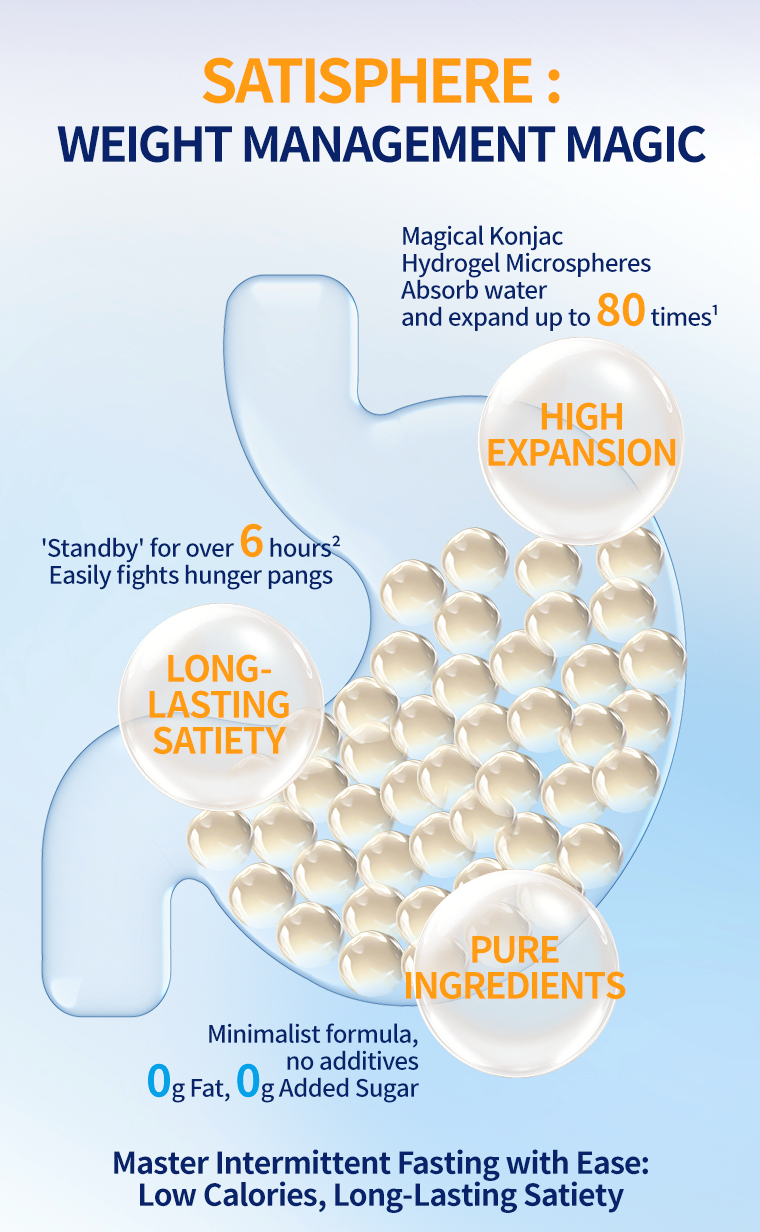
Most appetite aids demand attention with caffeine jitters or sharp herbal notes. This one doesn't. It works in the background, thickening gently in your stomach to slow digestion and stretch the feeling of fullness further than the meal itself. There's no sudden wave of energy, no crash—just a quieter, more patient signal that you've had enough.
That steadiness is what makes it easy to underestimate. Instead of forcing appetite down, it gives your body's own satiety hormones more time to register, while smoothing out the blood sugar dips that often dress up as cravings. Over weeks, the effect isn't a single dramatic moment but a collection of smaller portions, fewer between-meal grazes, and a hunger rhythm that feels less urgent.
Reading Labels Like a Skeptic Not a Marketer
Most shoppers glance at the front of a package and accept whatever story is being sold: “whole grain,” “all natural,” “plant-based.” But a skeptic turns the box around. The front is advertising; the back is evidence. Look for the actual ingredient list, the serving size, and the percentage of daily values that actually matter to you. If the first three ingredients are some form of sugar, refined flour, or oils you wouldn’t cook with at home, the health halo on the front is just packaging theater.
Another trick is to count the number of ingredients you can’t pronounce or wouldn’t find in a normal kitchen. Marketers rely on names like “maltodextrin,” “soy lecithin,” or “natural flavors” to make ultra-processed foods sound harmless. A skeptic treats every unrecognizable term as a flag, not a feature. And don’t ignore the serving size: a small bag of chips might list only 140 calories per serving, but the bag contains three servings. That’s not a mistake; it’s a strategy. Read the numbers as if you were auditing the company’s honesty, because in many ways, you are.
Finally, train yourself to spot claims that mean almost nothing. “Made with real fruit” can mean a single raisin in a sugary cereal. “Supports immune health” is not a proven outcome, just a suggestive phrase allowed by loose regulations. The label is not there to inform you; it’s there to move product off the shelf. Your job is to ask what the label is not showing: the total sugar, the type of fat, the source of protein, the actual amount of fiber. A skeptical label reader trusts only the numbers and the ingredients, never the adjectives.
Powder Capsule or Gummy Which Form Fits Your Routine
Choosing between powder, capsules, and gummies often comes down to how seamlessly they slide into your daily rhythm. If your mornings are rushed and you barely have time to brew coffee, a capsule you can swallow with a sip of water beats mixing powder or remembering to chew something fruity. Gummies, on the other hand, feel less like a chore and more like a tiny treat, which makes them ideal for people who struggle with pill fatigue or simply enjoy a momentary pause in their day.
Powder offers unmatched flexibility, especially if you like tailoring your intake or blending nutrients into smoothies, oats, or even a glass of juice. The downside is the extra step: scooping, stirring, and washing the shaker. Capsules win on portability and precision, but they can feel clinical and may not sit well if you dislike swallowing pills. Gummies trade potency per serving for palatability and convenience, though the added sugars or sugar alcohols are worth a glance if you monitor those closely.
Think about the moments when you actually remember to take something. If it is at your desk with a water bottle nearby, capsules are a quiet workhorse. If it is after dinner as a small ritual, a gummy can feel like a reward. And if your routine already involves a blender or a protein shake, powder integrates without friction. The best form is not the one with the flashiest label, but the one you will reach for again tomorrow without having to talk yourself into it.
When to Take Glucomannan for the Best Effect
Timing glucomannan intake around meals makes a noticeable difference in how well it works. Taking it roughly 15 to 30 minutes before a meal, with a full glass of water, gives the fiber time to begin expanding in your stomach. This head start helps you feel fuller sooner, so you naturally eat less without feeling deprived. If you wait until you're already halfway through your plate, the effect is much weaker because the food and fiber compete for space at the same time.
For people using glucomannan mainly to support healthy blood sugar levels, splitting the dose across two or three meals tends to be more effective than taking a large amount once a day. A common approach is to take one capsule before lunch and another before dinner, always followed by at least 250 ml of water. This keeps the gelling effect consistent throughout the day rather than causing a sudden rush that fades quickly. Just remember that glucomannan can slow the absorption of other supplements or medications, so it's wise to leave a two-hour gap if you take anything else.
Some people find that taking glucomannan too close to bedtime causes mild bloating or an uncomfortably full feeling, especially if they lie down soon after. If evening appetite control is your goal, try taking the last dose no later than 7 p.m. and stay upright for a while. On days when you skip a meal or eat very lightly, you can adjust the timing rather than forcing a dose. Paying attention to how your own digestion responds will help you settle on a schedule that feels natural instead of rigid.
Small Tweaks That Make Fiber Supplements More Effective
Instead of dumping the powder straight into a full glass and chugging it down, start with just a few tablespoons of lukewarm water. Stir it into a smooth, thin paste first, then add the rest of the liquid slowly while stirring. This small change stops the clumps from forming and makes the supplement easier on your stomach without that gritty, dry texture.
Timing can matter just as much as the dose. Try taking your fiber about ten to fifteen minutes before a meal with only four to six ounces of water, rather than a big glass. This lets the fiber start to gel and mix with food in a slower, more natural way, which often reduces the bloating and gas people get when they take it on an empty stomach or with too much liquid at once.
If you still feel heavy or uncomfortable, split your daily amount into two smaller servings, one in the morning and one in the late afternoon. You can also stir the powder into a spoonful of yogurt or add a squeeze of lemon to the water. The slight acidity and fat help the fiber disperse more evenly and form a softer gel, making it gentler on digestion without changing how well it works.
What Real Users Notice After a Few Weeks
After a few weeks of regular use, people start noticing changes that go beyond the initial impression. The small friction points fade, and the tool or habit begins to settle into daily routine. For many, it's less about a single breakthrough and more about a quiet shift: reaching for the product without thinking, or realizing a task that used to take effort now feels almost automatic.
What stands out most is often the absence of things—fewer workarounds, less mental overhead, fewer repeated steps. Users mention noticing how much time they save not by doing something faster, but by not having to think about doing it at all. There's also a growing trust in the consistency; the results stop feeling surprising and start feeling expected.
Another common observation is how the small improvements compound. A slightly easier morning routine, a cleaner workspace, a faster way to capture notes—none of these alone feel transformative, but together they change the texture of the day. People rarely describe a single moment of revelation. Instead, they notice they've stopped comparing alternatives and simply started relying on the thing that works.
FAQ
Glucomannan absorbs water and expands in the stomach, which creates a sense of fullness without adding calories. That mechanical stretch sends signals to the brain that you're satisfied, so the urge to snack between meals tends to fade. Unlike stimulant-based appetite suppressants, it works through physical fullness rather than altering your nervous system.
Most people notice a difference within 30 to 60 minutes if they take it with a full glass of water before a meal. The timing depends on how quickly the fiber hydrates and gels. If you take it in capsule form, give it a little longer than the powder because the capsule has to dissolve first.
Research typically uses around 1 gram taken three times daily, each dose with at least 8 ounces of water. Some people start with 500 mg per dose to see how their stomach reacts. Going much higher than 3 grams per day rarely adds benefit and raises the risk of bloating or blockages.
A few options consistently get mentioned by users: NOW Foods Glucomannan is straightforward and affordable, BulkSupplements offers a plain powder that mixes easily into shakes, and Natural Factors WellBetX has a following among people who prefer capsules. The best pick often comes down to whether you want powder for flexibility or capsules for convenience.
Yes, especially if you take it dry or without enough liquid. Bloating, gas, and a heavy feeling are common when you increase fiber too quickly. Start with a low dose, take it with a large glass of water, and never take it right before lying down. If you have a history of esophageal narrowing or swallowing trouble, skip it entirely.
Both are soluble fibers, but glucomannan absorbs significantly more water—up to 50 times its weight—so it forms a thicker gel. That often translates to a stronger feeling of fullness with a smaller dose. Psyllium is gentler on some stomachs and easier to find, but for appetite suppression specifically, many people find glucomannan more noticeable.
You need to be careful. Because glucomannan slows stomach emptying and forms a gel, it can delay or reduce the absorption of drugs taken at the same time. Space it at least two hours away from any medication. If you take diabetes or blood pressure medication, talk to your doctor first, since the fiber can lower blood sugar and cholesterol on its own.
Look for a product that lists 'glucomannan' or 'konjac root extract' as the only active ingredient, with a clear amount per serving. Third-party testing for heavy metals and purity is a plus, though not every brand advertises it. Avoid blends that bury the glucomannan dose under proprietary formulas—you want to know exactly how much fiber you're getting.
Conclusion
Glucomannan, a soluble fiber derived from konjac root, quietly earns its reputation as a natural appetite suppressant—but only if you pick the right product. Most supplements on the shelf are a mixed bag, so flip the label and read like a skeptic: check for glucomannan purity (aim for at least 90% or higher), avoid added sugars, fillers, or proprietary blends that hide weak doses. Form matters too. Powders give you flexibility to adjust the amount and mix into drinks, capsules are convenient but may require swallowing several to hit an effective dose, and gummies almost always come loaded with extra sugar that works against appetite control. Think about your daily routine—do you have time to shake a powder into water before meals, or do you need something you can toss in a bag? There's no single best form, only the one you'll actually stick with.
Timing can make or break your results. Take glucomannan 15–30 minutes before a meal with a full glass of water (at least 8 ounces); the fiber swells in your stomach and triggers early satiety. Start with a smaller dose—maybe half a teaspoon or one capsule—and increase gradually over a week to avoid bloating or cramps. Small tweaks go a long way: keep water intake high throughout the day, pair the supplement with protein or healthy fats at meals, and don't expect a magic pill if your overall diet is chaotic. After three to four weeks, most real users notice reduced snack cravings, smaller portion sizes, and more predictable digestion. The effect isn't dramatic overnight, but it compounds: less hunger between meals, fewer impulsive bites, and a calmer relationship with food. Consistency beats intensity here, and the payoff is steadier energy and a waistline that isn't fighting you every hour.
Contact Us
Contact Person: Jeffrey
Email: [email protected]
Tel/WhatsApp: 86-0633-2230056
Website: https://www.sd-intmedical.com